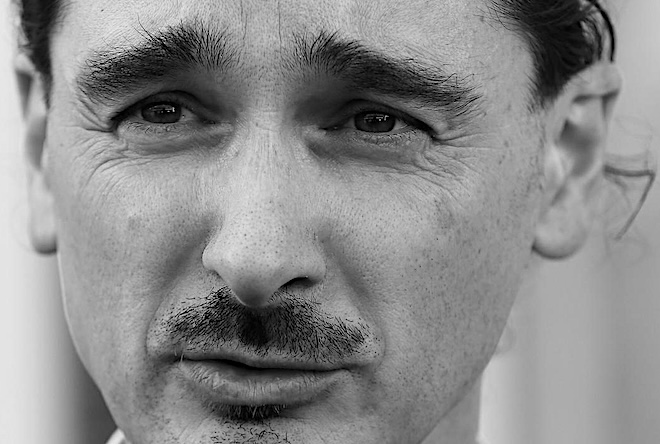
Magistrate Hughes: decision informed by details not before the court
Van Diemen’s Magistrate Evan Hughes’ experiment with speedy justice has been unravelled by Chief Justice Alan Blow.
Last September an offender called Lonewolf Brent Shayne Mansell was applying for bail at the Launceston Magistrates Court.
While Madge Hughes was in the process of refusing the application, Mr Mansell walked out of the court into a secure area and started banging on a lift door.
Madge Hughes promptly found Mansell in contempt of court and ordered that he be “taken away”.
Half an hour later he brought the poor wretch back and sentenced him to two months imprisonment backdated to late August.
In the process a wrinkle had to be ironed out. It was alleged the offender had contravened the Magistrates Act, whereas it was really supposed to be a charge under section 25 of the Justices Act (Tas).
At the rapid fire sentencing, Madge Hughes said:
“As I understand it the lift was rendered inoperable by the conduct of Mr Mansell. It caused him to be confined in a confined space – a security risk in my view – with other security officers …”
Experts had to be called to release Mansell and two court officers from the jammed lift, with the prospect of further repair work.
Lonewolf apologied, saying he had overreacted and then sought a review of this strange conviction.
Alan Blow CJ smartly set things to rights and in the process cleared-up aspects of contempt that some may not have recognised – for instance, a contempt in the face of the court includes conduct not seen by the court’s face, but heard at some distance.
In any event, the banging was enough to qualify as wilful misbehaviour or wilful interruption of proceedings – s.25.
However, spades of procedural fairness were wanting. Madge Hughes was supposed to give the accused an opportunity to deny the charge, to show cause why it was not appropriate, to permit legal advice to be sought, along with an adjournment and further particulars.
In Sal Vasta style, none of this happened.
Further, and even more peculiar, there was no information before the court that the lift had become immobilised and that the applicant and court officers were trapped in it.
From where did this knowledge come? Blow CJ was not sure. It may have come from security officers or other court staff.
“Nobody knows what impact such conversation or conversations might have had on his decision to convict the applicant and sentence him to two months imprisonment …
“The learned magistrate might, for example, have been influenced by something not discussed in open court, such as the emotional state of one of the security officers trapped in the lift.”
Procedural fairness had been bundled with apprehended bias.
Conviction and sentence set aside and back it goes for another hearing by someone else.